
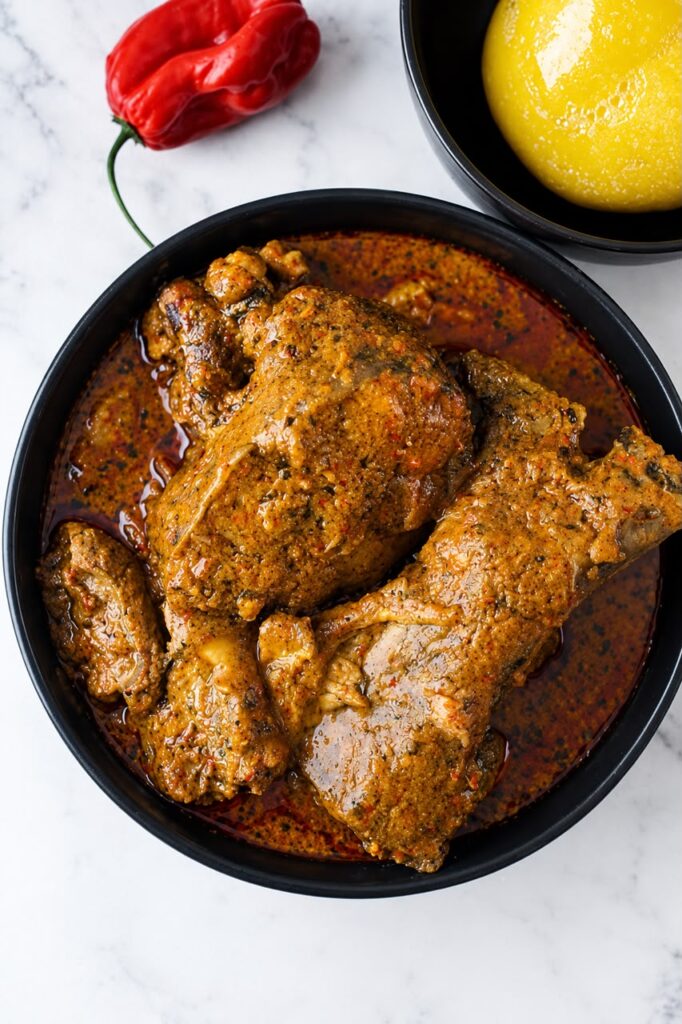
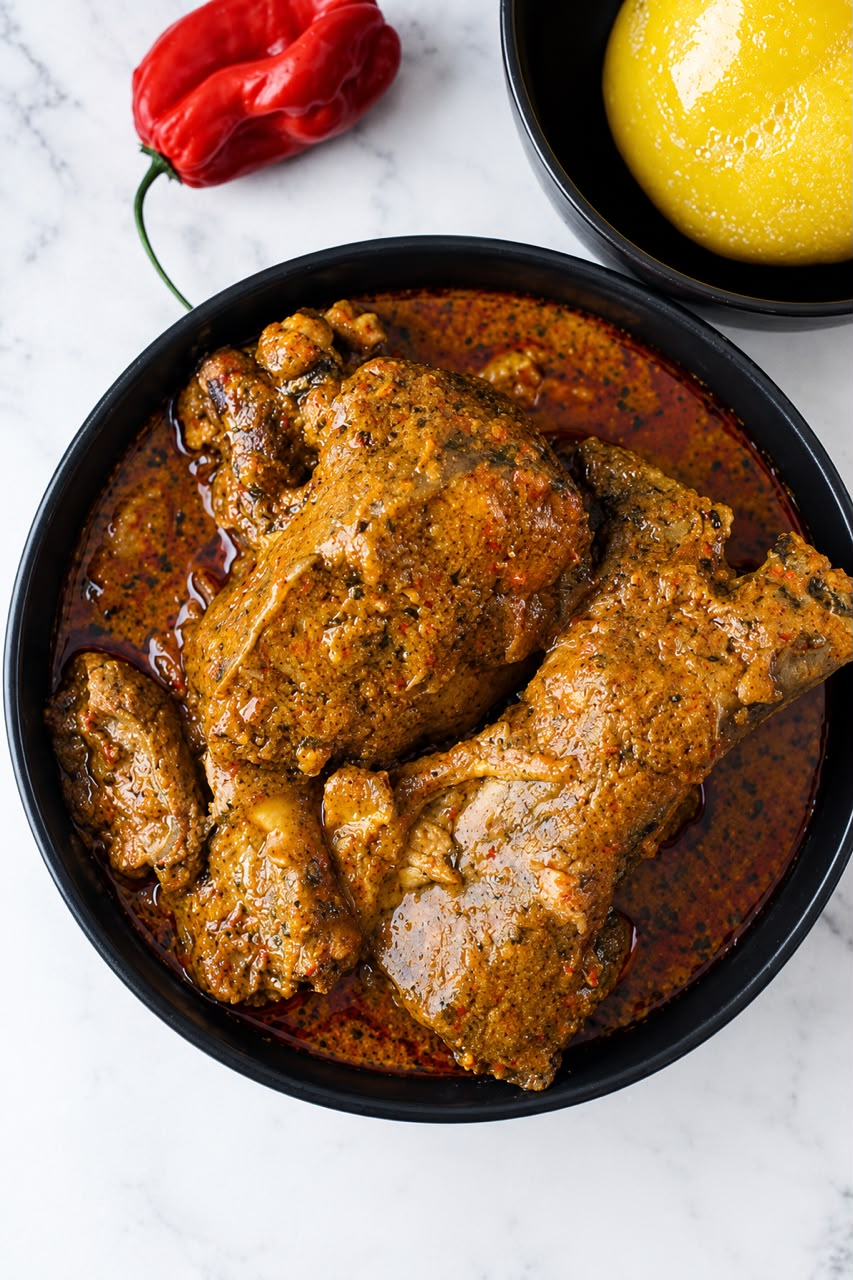
Banga Soup
If there’s one Nigerian soup that knows how to deliver rich flavour, beautiful aroma, and pure comfort, it’s Banga Soup! Made with palm fruit extract, assorted meat, fresh catfish, dry fish, crayfish, and traditional Banga spices, this delicious soup is one you’ll want to enjoy with your favourite swallow.
What makes Banga Soup special is its rich palm fruit base. As it simmers with the meat, fish, peppers, and spices, everything comes together to create a deeply flavourful soup that tastes even better when served hot.
In this recipe, the assorted meat is first steamed with onion, pepper, and seasoning before the palm fruit extract is added. Dry fish, fresh catfish, ground crayfish, Banga spice, and Banga leaves go in later to build up the flavour.
And we’re not stopping at the soup! If you love the traditional combination of Banga Soup and Nigerian starch, I’ll also show you how to prepare a smooth, stretchy starch using tapioca starch, making this a complete and satisfying meal.
Whether you’re making it for your family, a weekend meal, or simply because you’re craving something delicious, this Banga Soup is worth adding to your recipe collection.
Why You’ll Love This Banga Soup
- Rich and flavourful: Palm fruit extract gives the soup its characteristic richness and distinctive taste.
- Loaded with protein: Assorted meat, fresh catfish, and dry fish make every serving satisfying.
- Traditional flavour: Banga spice, crayfish, pepper, and Banga leaves give the soup its signature aroma.
- Perfect with swallow: Enjoy it with starch, pounded yam, fufu, or eba.
- Great for special occasions: Banga Soup is a wonderful addition to a Nigerian family meal or weekend spread.
- Customizable: Adjust the pepper, protein selection, and thickness to suit your taste.
Ingredients
For the Banga Soup
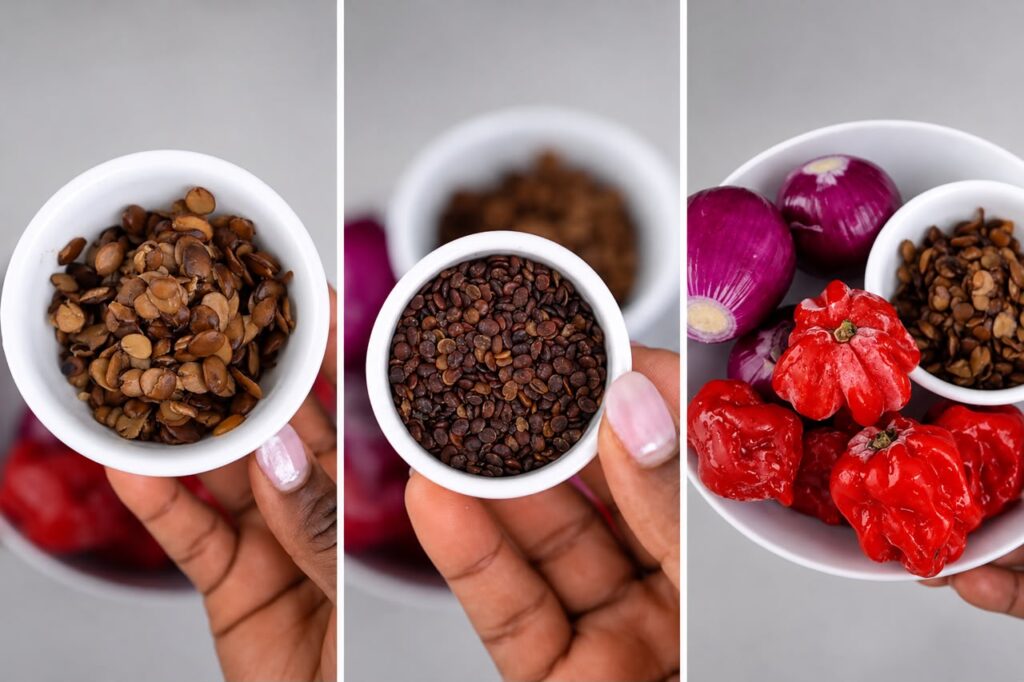
- 1.5–2 litres palm fruit extract or prepared canned Banga extract, adjusted as needed
- 700g assorted meat, such as beef, goat meat, and cow skin
- 1 medium fresh catfish, cleaned and cut into pieces
- 1 medium smoked or dried fish, cleaned
- 1 medium onion, chopped
- 2–3 Scotch bonnet peppers, or to taste
- 2–3 tablespoons ground crayfish
- 2 tablespoons Banga spice mix, or according to package instructions
- 1 Banga spice stick (oburunbebe), optional
- 1 small handful Banga leaves, fresh or dried, according to availability
- 2 seasoning cubes, or seasoning powder to taste
- Salt to taste
- Water, as needed
- Additional blended onion and pepper, to taste
A note on the ingredients: Banga spice blends vary. Follow the instructions on your spice packet where available, especially if it contains a concentrated mixture. Banga leaves may also be sold under local names depending on the region.
For the Starch
- 2 cups tapioca starch or Nigerian starch flour
- Water, as needed for mixing
- 1–2 tablespoons palm oil, or as needed for colour and traditional flavour
The exact amount of water depends on the type of starch you’re using. Add it gradually until you achieve the right consistency.
How to Make Banga Soup
1. Season and Steam the Assorted Meat
Clean your assorted meat and place it in a pot.
Add chopped onion, some of the blended pepper, seasoning cubes, and a little salt.
Mix everything together, cover the pot, and allow the meat to steam for approximately 15 minutes over medium heat without adding water, as long as the meat releases enough moisture and the pot does not begin to dry out or scorch.
Check occasionally and reduce the heat if necessary. If the meat is sticking or drying out before it begins to release enough liquid, add a small splash of water.
Steaming the meat first helps the seasoning penetrate and gives the soup a flavourful foundation.
2. Add the Palm Fruit Extract
Once the meat has steamed, pour in your prepared palm fruit extract.
If you’re using canned Banga paste, dissolve it according to the package instructions before adding it to the pot. Add water as needed to achieve a soup-like consistency.
Stir well to combine the extract with the meat and cooking juices.
Cover the pot partially and bring the mixture to a boil.
Allow it to cook for several minutes so the palm fruit base begins to develop its flavour. Stir occasionally to prevent anything from settling and sticking to the bottom.
3. Prepare the Fresh Catfish
While the Banga base is boiling, prepare your catfish.
Place the cleaned catfish pieces in a bowl and pour hot water over them briefly, for about 1–2 minutes. Drain the water, allow the fish to cool enough to handle, and rinse with cool water.
Carefully remove any remaining slime or unwanted material from the skin, then rinse again.
Handle the fish gently to avoid breaking it into small pieces. If your fish has already been thoroughly cleaned, follow the cleaning method appropriate for the fish you have.
4. Clean the Dry Fish
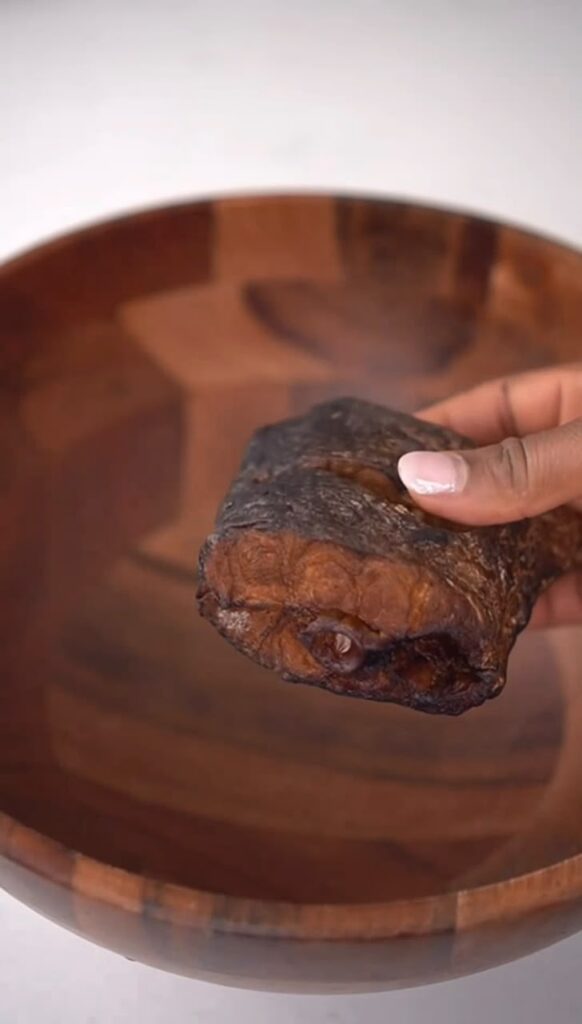
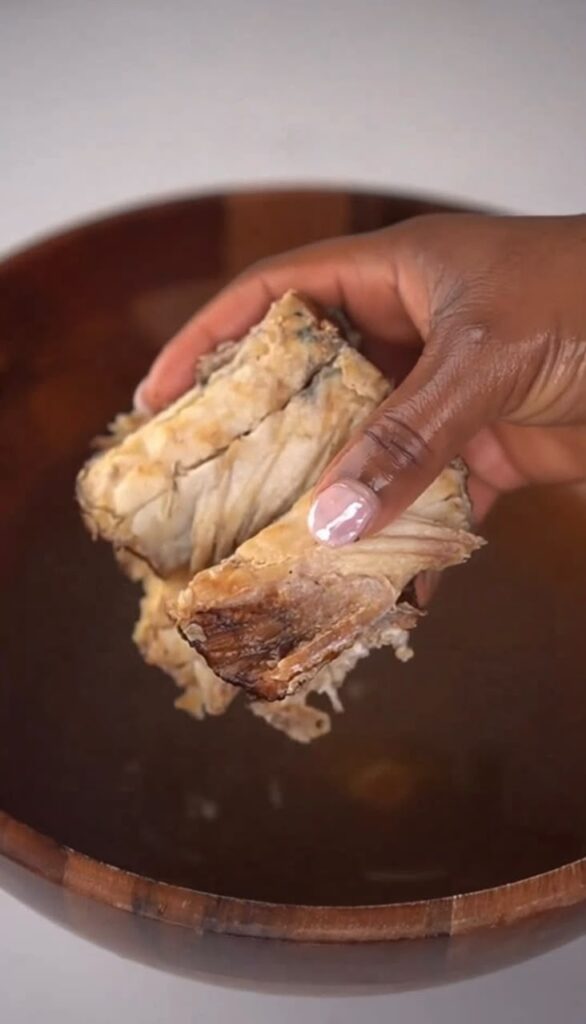
Place the dried or smoked fish in a bowl.
Add hot water and a little salt, then allow it to sit briefly to soften. Remove any dirt, scales, bones, or unwanted material, and rinse thoroughly.
Set aside until you’re ready to add it to the soup.
The dry fish contributes a deeper, smoky flavour that complements the palm fruit extract beautifully.
5. Add the Banga Spices and Fish
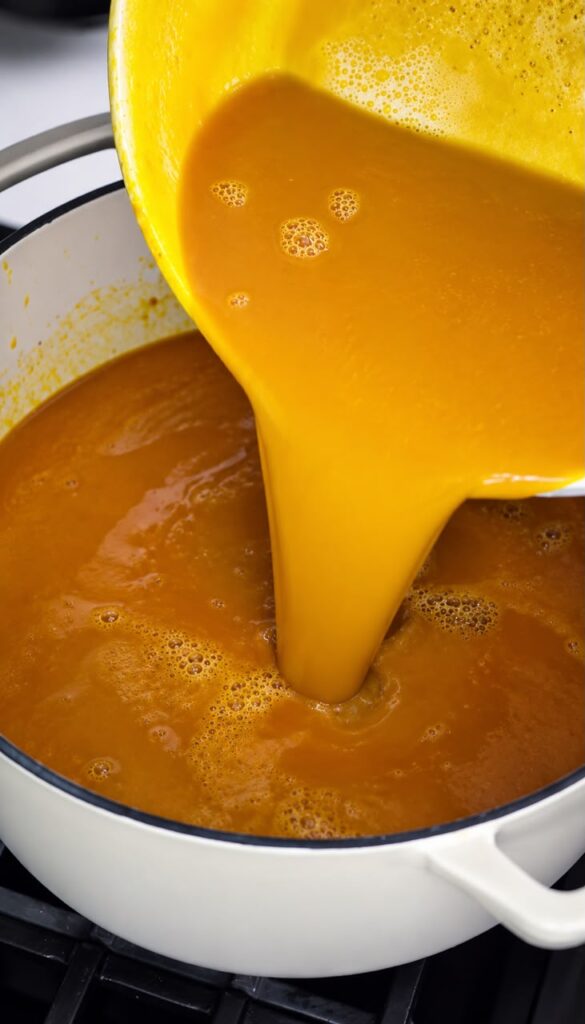
Once the Banga base has boiled and the meat is progressing towards tenderness, add the cleaned dry fish, fresh catfish, ground crayfish, and Banga spice mix.
Add the Banga spice stick if you’re using one.
Stir in the remaining blended pepper and onion. Taste the broth and add salt or seasoning if necessary.
Be gentle when stirring after adding the catfish, as the fish may break apart if handled too roughly.
6. Add the Banga Leaves
Add the Banga leaves and stir gently.
These leaves contribute the characteristic herbal aroma associated with Banga Soup.
If you’re using fresh leaves, rinse them thoroughly before adding them. If using dried leaves, follow the preparation instructions on the package.
If your chosen Banga spice blend already contains a strong herbal component, start with a small amount of extra leaves and adjust according to taste.
7. Allow the Soup to Simmer
Cover the pot partially and cook over medium heat for approximately 15–20 minutes, or until the meat is tender, the fish is cooked through, and the soup has developed a rich flavour.
The exact cooking time will depend on the type of meat, the size of the fish pieces, and whether you’re using fresh or canned palm fruit extract.
If the soup becomes too thick before the meat is tender, add a little hot water. If it is too thin, allow it to simmer uncovered for a little longer.
Taste again and adjust the seasoning.
When the meat is tender and the flavours have come together, remove the pot from the heat.
Your Banga Soup is ready!
How to Make Nigerian Starch for Banga Soup
One of the classic ways to enjoy Banga Soup is with Nigerian starch. Its smooth, stretchy texture makes it a delicious companion to the rich palm fruit soup.
Tapioca starch can be a useful alternative for those living abroad, provided the product is suitable for this preparation.
1. Mix the Starch
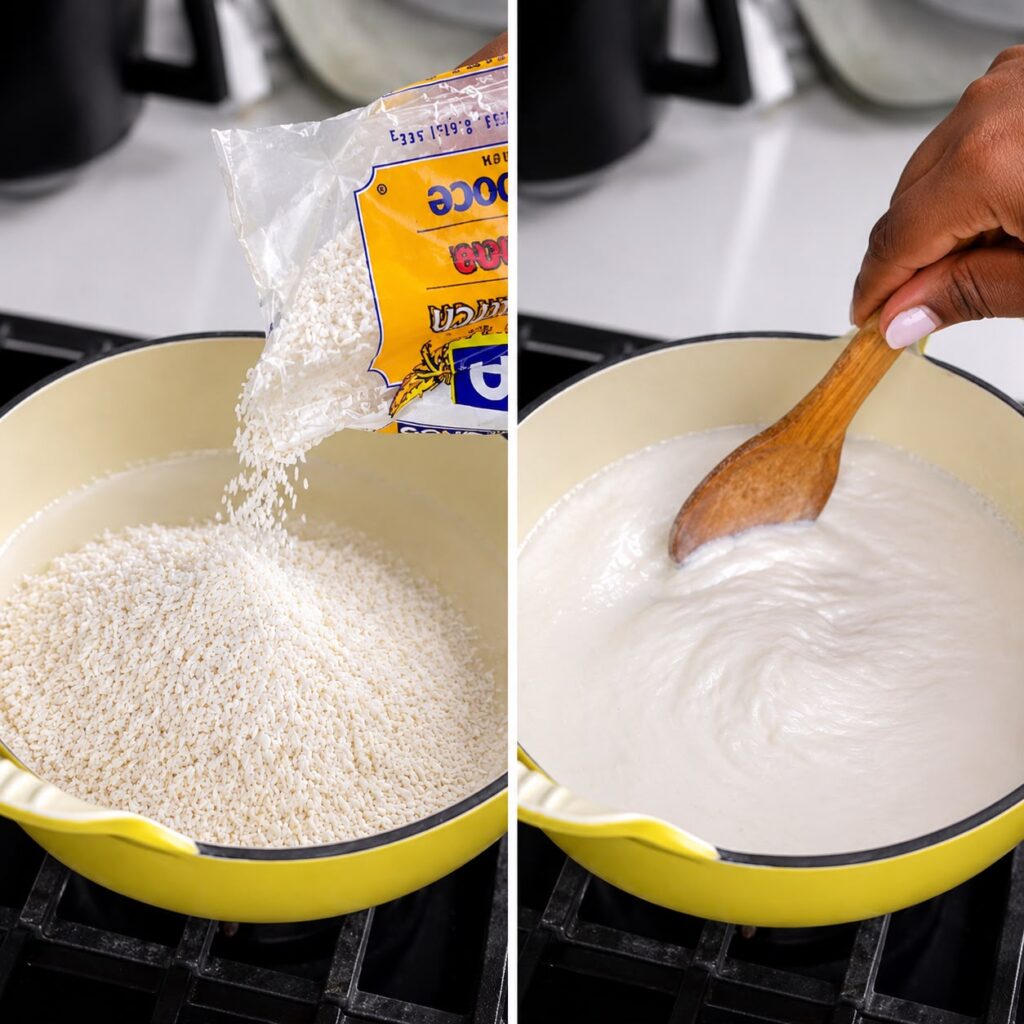
Place the tapioca starch in a heat-safe pot or saucepan.
Gradually add cool water, stirring until the starch is dissolved and there are no large lumps.
Follow the package instructions if your starch requires a different ratio of water or a different preparation method.
2. Add the Palm Oil
Add the palm oil and stir until it is evenly distributed.
The oil gives the starch its traditional colour and contributes to its familiar appearance.
3. Cook and Stir
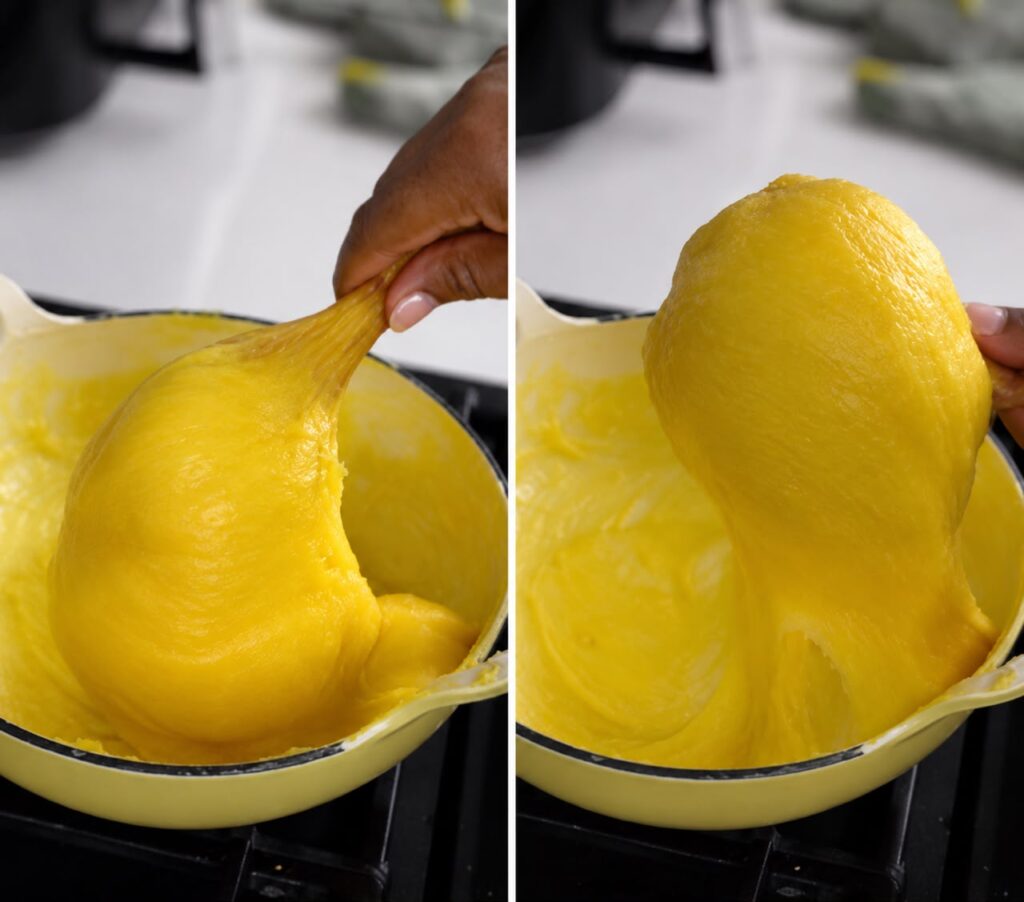
Place the pot over medium heat and stir continuously.
As the mixture heats, it will begin to thicken. Keep stirring, scraping the bottom and sides of the pot so the starch cooks evenly and doesn’t form lumps.
As it thickens, the mixture may become harder to stir. Reduce the heat slightly if needed, but keep working it until it becomes smooth, glossy, and stretchy.
If it becomes too firm before it is properly cooked, carefully work in a small amount of hot water, following the consistency and preparation requirements of your starch.
4. Check the Texture and Serve
Once the starch is uniformly thick, smooth, and stretchy, remove it from the heat.
Serve it warm alongside your Banga Soup.
Important: Tapioca starch products differ, and not every product behaves exactly like traditional Nigerian starch flour. Check the manufacturer’s instructions and adjust the water and cooking method accordingly.
Tips for Making the Best Banga Soup
Use good-quality palm fruit extract
The palm fruit extract is the foundation of this soup. A good-quality extract provides the characteristic colour, richness, and flavour.
If you’re using canned Banga paste, prepare it according to the instructions on the tin and adjust the liquid as the soup cooks.
Steam the meat properly
Steaming the meat with onion, pepper, and seasoning builds flavour before you introduce the palm fruit extract.
Keep an eye on the pot, though. Don’t allow the meat to scorch while steaming without water.
Don’t rush the simmering stage
Allow enough time for the meat to become tender and the palm fruit extract to develop its flavour.
Some cuts of assorted meat require longer cooking than others, so use tenderness rather than the clock alone to judge when the meat is ready.
Be careful with the catfish
Catfish is delicate. Add it carefully and avoid excessive stirring once it’s in the pot.
If you prefer, you can add it later in the cooking process so it doesn’t spend too long simmering.
Balance the seasoning
Banga spice mixes and seasoning cubes can vary in saltiness. Start conservatively, taste the soup, and adjust gradually.
Adjust the thickness
For a thicker soup, allow it to simmer uncovered so excess liquid can evaporate. For a lighter soup, add small amounts of hot water.
Remember that the soup may thicken further as it cools.
Variations and Substitutions
Use your favourite assorted meat: Beef, goat meat, cow skin, and other suitable cuts can be combined according to your preference.
Use different fish: Fresh catfish and smoked or dried fish work beautifully, but you can adjust the combination based on what’s available.
Make it spicier: Add more Scotch bonnet or habanero if you enjoy a stronger pepper flavour.
Use canned Banga extract: Canned palm fruit extract is a convenient option, particularly for people living outside Nigeria. Follow the instructions on the product and adjust the cooking liquid as needed.
Adjust the traditional spices: Banga spice blends differ, so use the quantities recommended for your particular blend and add extra seasoning only after tasting.
What to Serve with Banga Soup
Banga Soup pairs beautifully with a variety of Nigerian swallows.
- Starch: A classic pairing, especially popular with Delta-style Banga Soup.
- Pounded yam: A satisfying option for a hearty meal.
- Fufu: Its soft texture works well with the rich soup.
- Eba: A convenient and familiar choice.
- Semovita: Another good option if you prefer a smooth, firm swallow.
For more Nigerian soup inspiration, try my Seafood Okra Soup, Ofe Nsala Soup, or Edikang Ikong Soup.
You can also explore my 20 Nigerian Soup Recipes collection for more ideas.
Storage and Reheating
Allow the soup to cool slightly before transferring it to clean, airtight containers.
- Refrigerator: Store for 3–4 days.
- Freezer: Freeze in suitable airtight containers for longer storage. For best quality, use within approximately 2–3 months.
- Reheating: Reheat on the stove over medium-low heat until thoroughly hot, stirring gently. Add a small amount of water if the soup has thickened too much.
Because the soup contains meat and fish, refrigerate leftovers promptly rather than leaving them at room temperature for an extended period.
For food-safety guidance, consult the USDA’s food storage recommendations.
For the best texture, prepare the starch fresh when you’re ready to eat. If you have leftover starch, follow the storage instructions appropriate for the particular starch product.
Frequently Asked Questions (FAQs)
What is Banga Soup made from?
Banga Soup is made primarily from palm fruit extract, which gives it its rich flavour and characteristic appearance. It is commonly prepared with assorted meat, fish, crayfish, pepper, and traditional Banga spices. Ingredients vary by region and household.
Can I use canned Banga paste?
Yes. Canned palm fruit extract is a convenient alternative to freshly prepared extract. Follow the product instructions and adjust the water and cooking time as needed.
Which fish is best for Banga Soup?
Catfish is a popular choice, while smoked or dried fish adds extra depth of flavour. You can use other suitable fish depending on availability and preference.
Why is my Banga Soup too watery?
It may need more simmering time. Leave the pot partially uncovered and allow excess liquid to evaporate, stirring occasionally. Avoid adding too much water at the beginning.
What is the Banga spice stick used for?
A Banga spice stick, commonly called oburunbebe, is used in some traditional preparations to contribute flavour. It is optional, particularly if your spice blend already provides the flavour profile you want.
Can I make Banga Soup without assorted meat?
Yes. You can prepare it with fish alone or use your preferred combination of seafood and other proteins. Adjust the seasoning and cooking time to suit the ingredients.
What swallow goes best with Banga Soup?
Nigerian starch is a classic pairing, especially with Delta-style Banga Soup. Pounded yam, fufu, eba, and semovita are also delicious options.
How long can I keep Banga Soup?
Store it in an airtight container in the refrigerator for 3–4 days, or freeze it for longer storage. Reheat thoroughly before eating.
Final Thoughts
This Banga Soup is all about rich palm fruit flavour, tender assorted meat, delicious fish, and the aroma of traditional spices. Give the soup enough time to simmer, season it to your taste, and you’ll have a satisfying meal that’s perfect for sharing.
And if you’re a fan of the classic combination, don’t skip the Nigerian starch! Its smooth, stretchy texture pairs beautifully with the rich soup. Of course, pounded yam, fufu, eba, and semovita are equally welcome at the table.
If you try this recipe, leave a comment and let me know: Do you prefer your Banga Soup with starch, pounded yam, or another swallow? I’d love to hear how you enjoy yours!






You May Also Like
Seafood Okra Soup Recipe
Salmon Avocado Salad
Coconut Rice
Buka-Style Abula (Gbegiri, Ewedu & Omi Obe)
HI, I’M Joyful Cook
In the kitchen, I find joy in experimenting with flavors, crafting unique dishes, and sharing my love for food with others...
Connect with me
Recent Recipes