










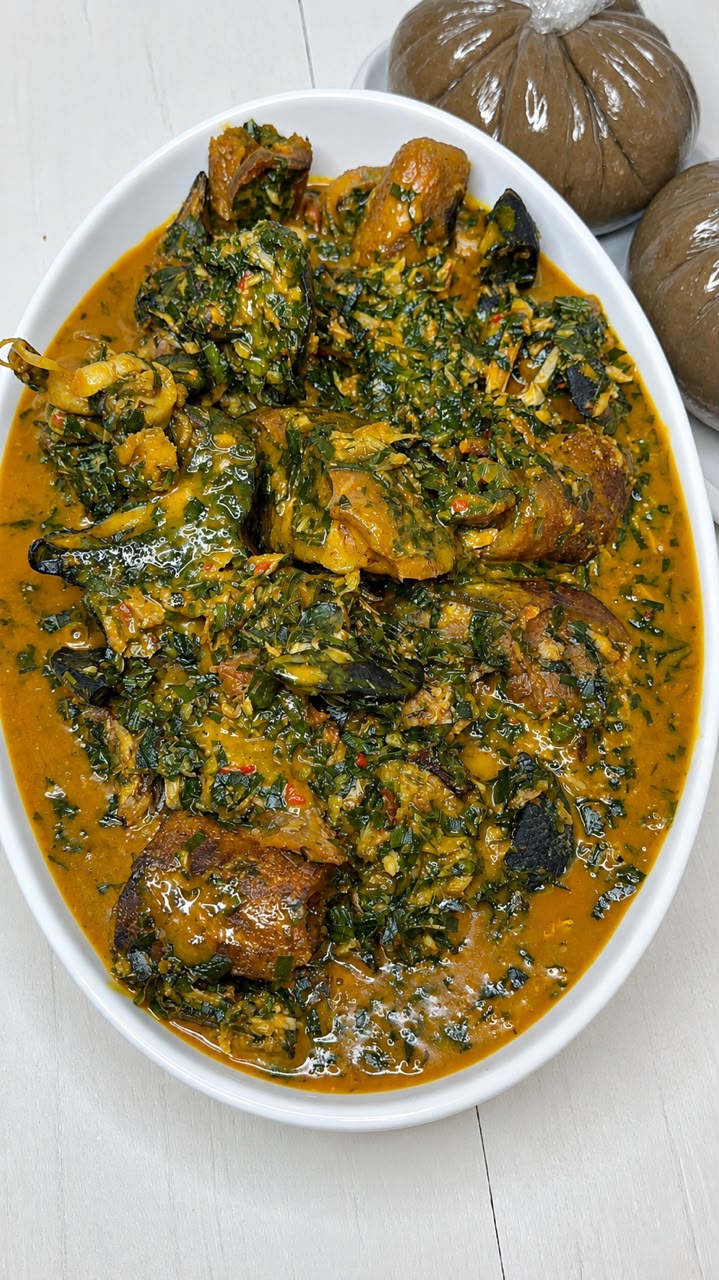
Ugu and Uziza Soup (Easy Nigerian Vegetable Soup)
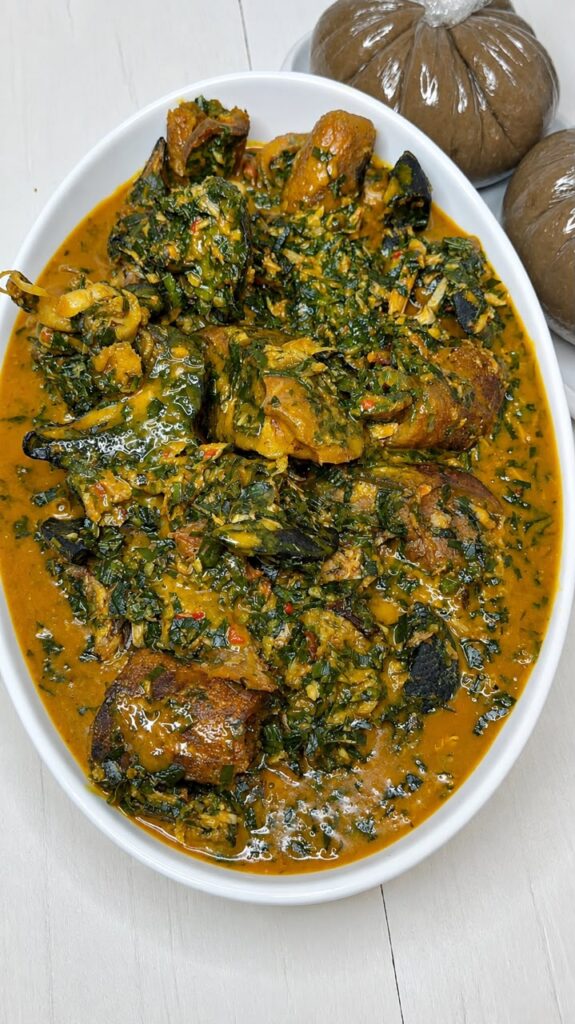
If you love Nigerian soups that are packed with fresh vegetables, assorted proteins, and plenty of flavor, this Ugu and Uziza Soup is one you need to try.
It’s simple, comforting, and surprisingly easy to put together. The combination of ugu (fluted pumpkin leaves) and uziza leaves gives the soup a beautiful fresh flavor, while crayfish, palm oil, fish, meat, snail, and periwinkle bring all the savory goodness you want from a hearty Nigerian soup.
What I particularly love about this recipe is that you don’t need a thickener. The soup stays relatively light, allowing the vegetables and proteins to shine.
Serve it with your favorite swallow for a satisfying Nigerian meal that works beautifully for lunch, dinner, or a special weekend meal.
If you enjoy vegetable-forward Nigerian soups, you can also try my Edikang Ikong Soup, another delicious combination of leafy greens and assorted proteins.
Why You’ll Love This Ugu and Uziza Soup
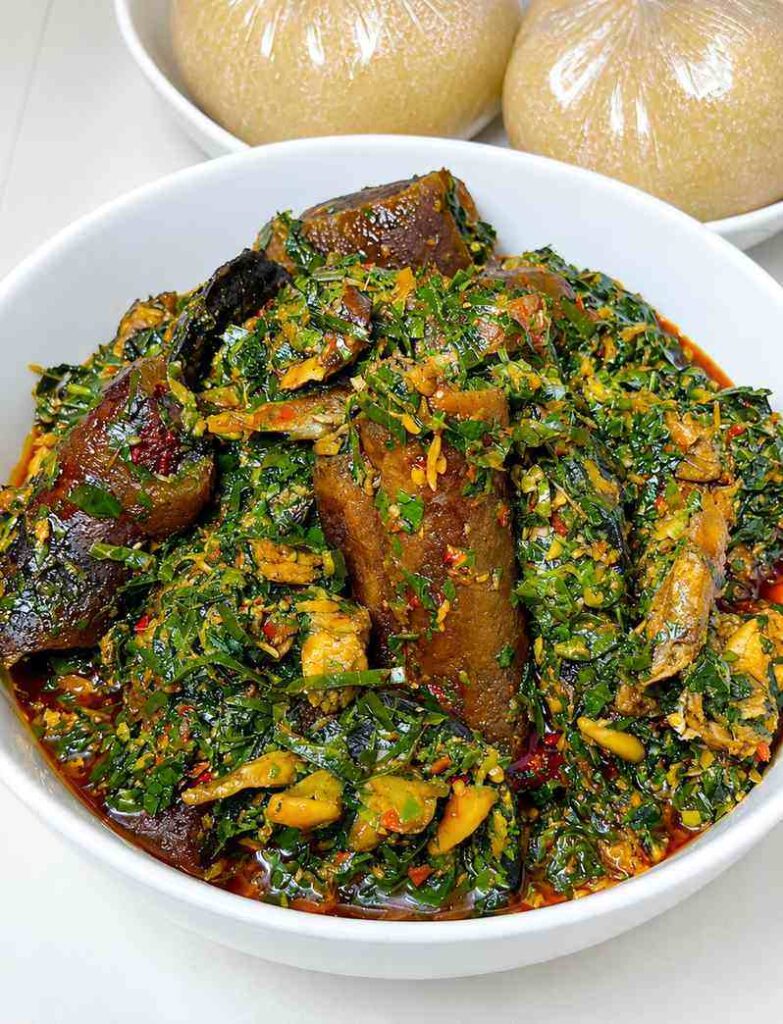
- Easy to make: The cooking process is straightforward and doesn’t require complicated techniques.
- Packed with vegetables: Ugu and uziza bring plenty of fresh flavor and texture.
- Loaded with protein: Use your favorite combination of meat, fish, snail, and periwinkle.
- Naturally flavorful: Crayfish, pepper, onion, and palm oil create a rich savory base.
- No thickener required: You only need a modest amount of stock or water.
- Customizable: Adjust the proteins and vegetables based on what you have available.
- Perfect with swallow: Pair it with pounded yam, eba, fufu, semovita, or your favorite swallow.
What Is Ugu and Uziza Soup?
Ugu and Uziza Soup is a Nigerian vegetable soup made primarily with ugu (fluted pumpkin leaves) and uziza leaves.
Ugu has a fresh, leafy flavor, while uziza has a more distinctive peppery and aromatic taste. Together, they create a flavorful vegetable combination that works beautifully with assorted meat, fish, snails, crayfish, and other traditional ingredients.
Unlike some Nigerian soups that rely on a thickener, this version uses only enough stock to create a flavorful, relatively light soup.
Ingredients You’ll Need
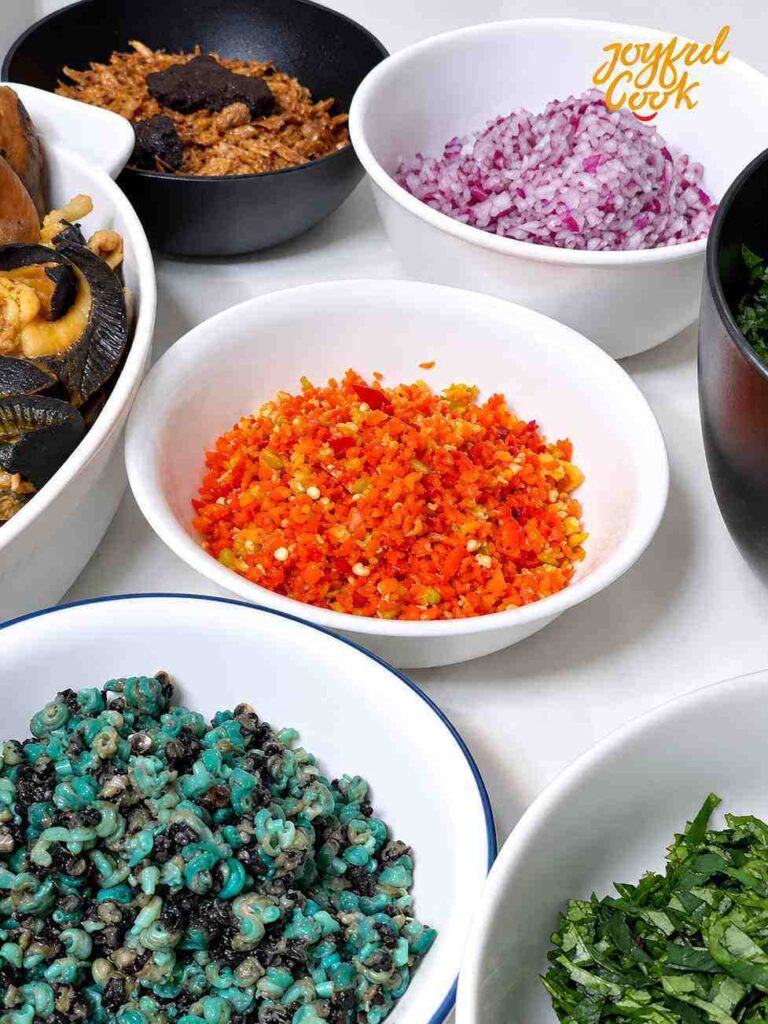
For the Protein
- 500 g assorted meat of your choice, cut into pieces
- 1 whole fish, cleaned and cut into pieces
- 4–6 cleaned snails
- ½ cup cleaned periwinkle
- 1 medium onion
- 2–3 Scotch bonnet or habanero peppers
- 2 seasoning cubes or 1–2 teaspoons seasoning powder
- Salt to taste
- 1½–2 cups water, or as needed
For the Soup
- 2 cups fresh uziza leaves, washed and thinly sliced
- 3 cups ugu (fluted pumpkin leaves), washed and thinly sliced
- 2–3 tablespoons palm oil
- 2–3 tablespoons ground crayfish
- 1 small onion, chopped
- 1–2 Scotch bonnet peppers, blended or finely chopped
- ½ cup meat stock, reserved from cooking the proteins
- Salt and seasoning, to taste
- ½ cup cleaned periwinkle
The exact amount of liquid you need will depend on how much soup you want. Since this recipe doesn’t use a thickener, avoid adding too much water.
How to Make Ugu and Uziza Soup
1. Prepare the Vegetables
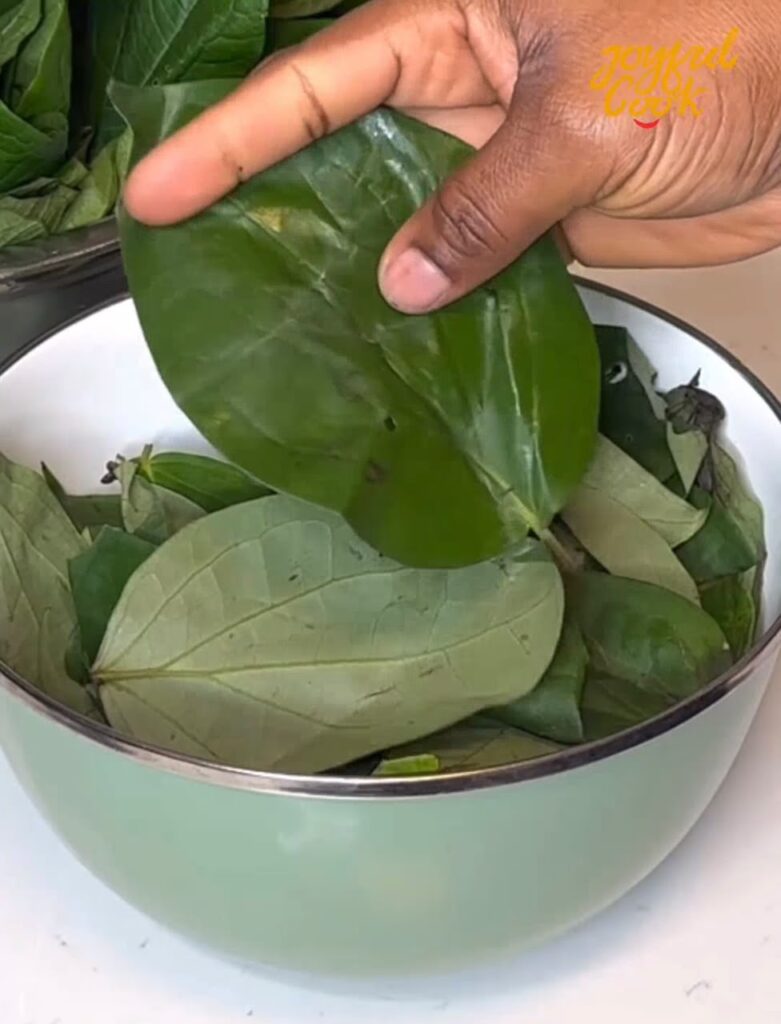
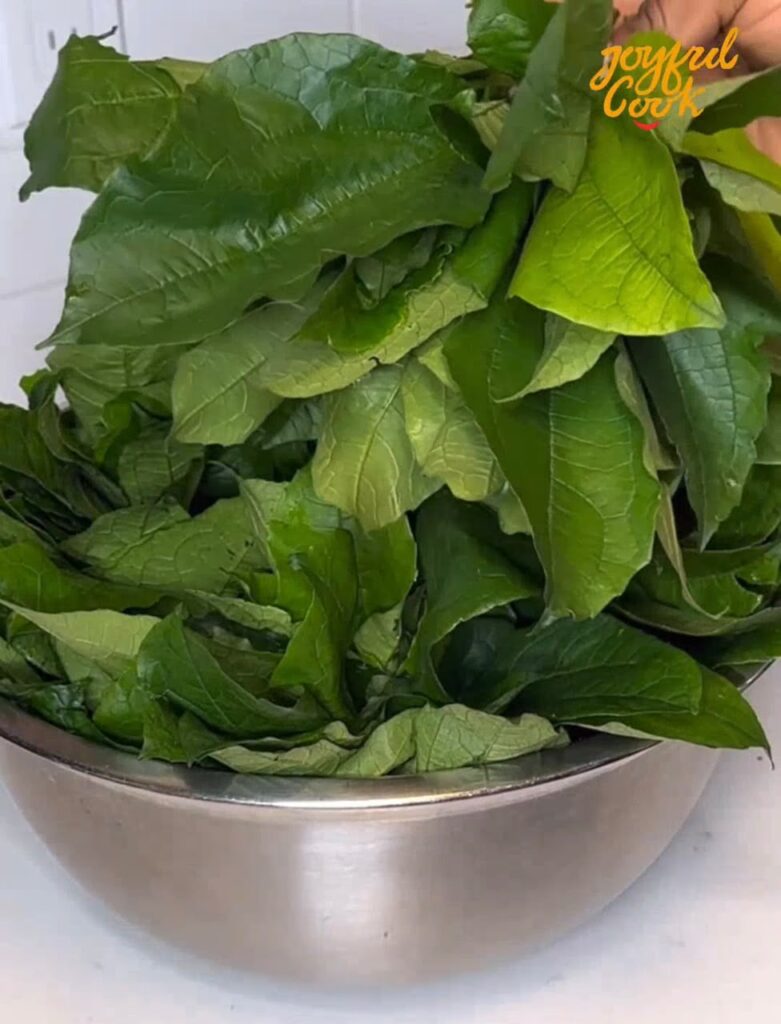
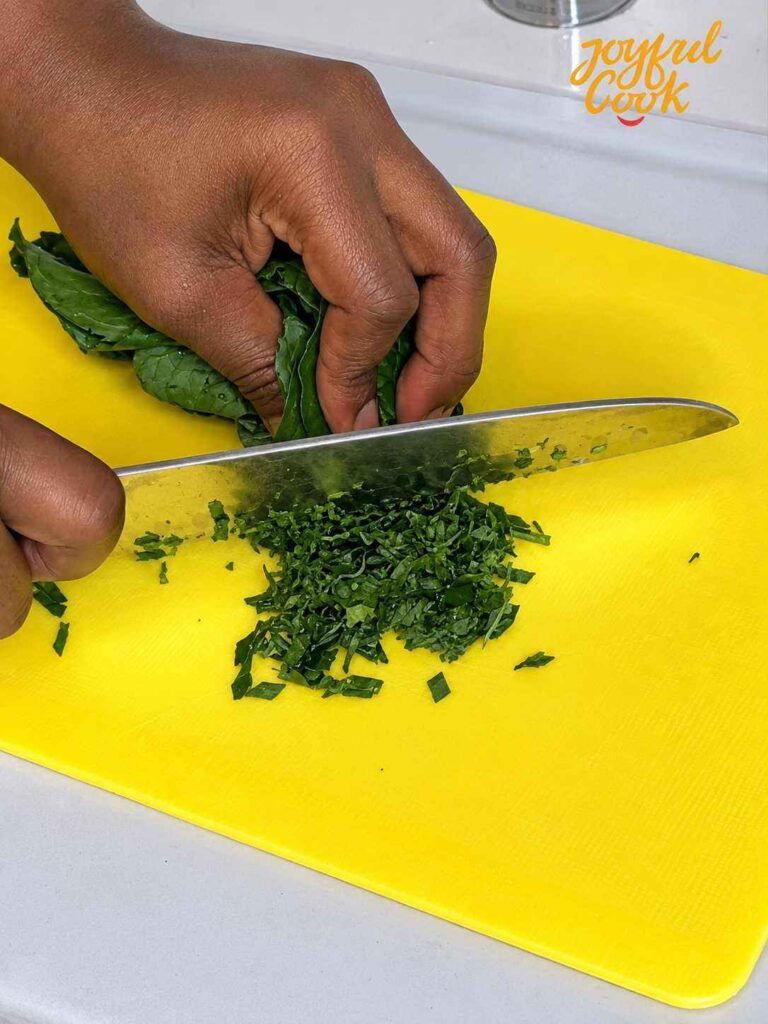
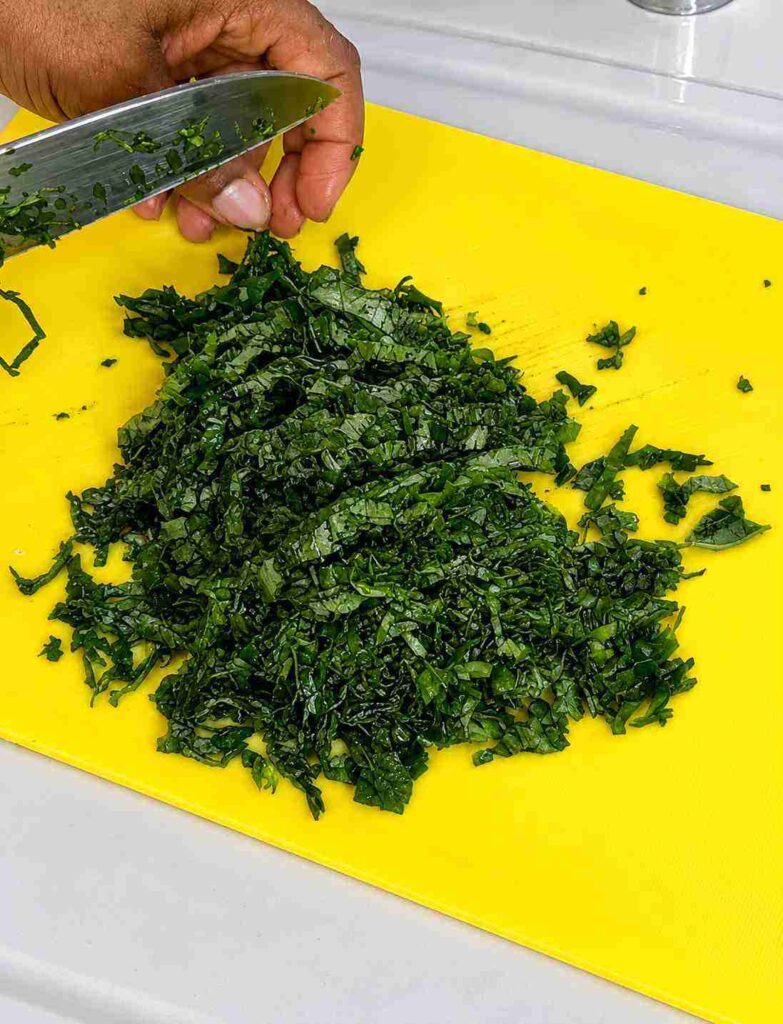
Start by thoroughly washing the ugu and uziza leaves.
Fresh leafy vegetables can contain dirt and grit, so rinse them carefully under clean running water until they’re properly clean.
Drain the leaves and slice them thinly. Set them aside separately because the uziza will go into the pot before the ugu.
2. Prepare the Proteins
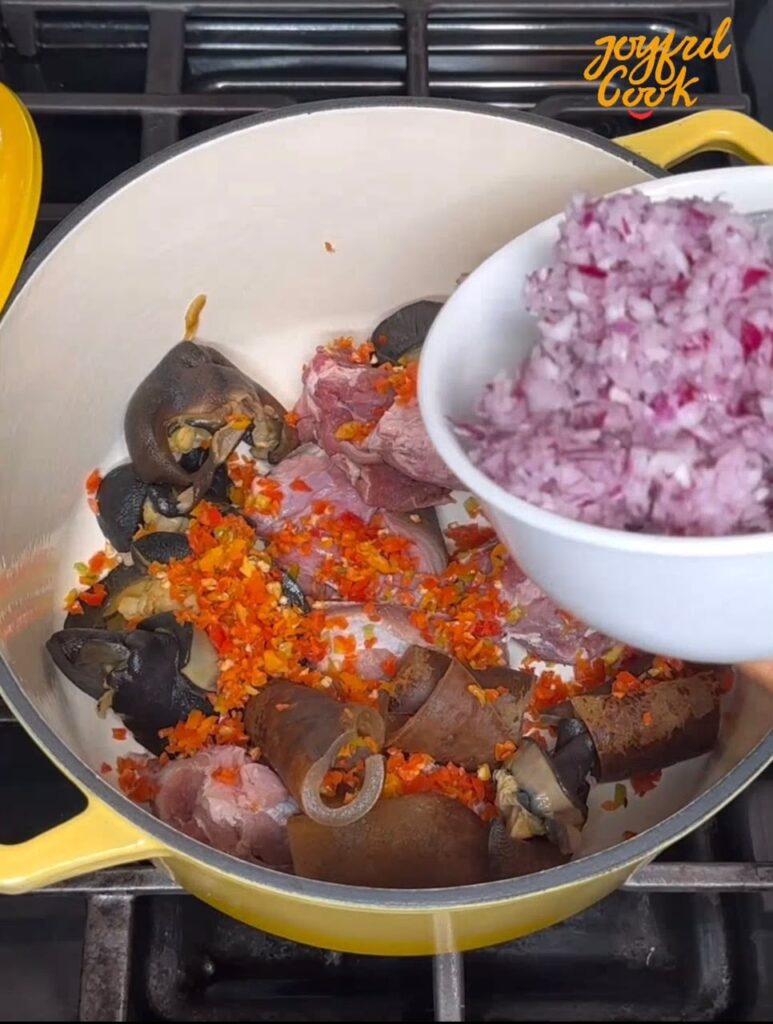
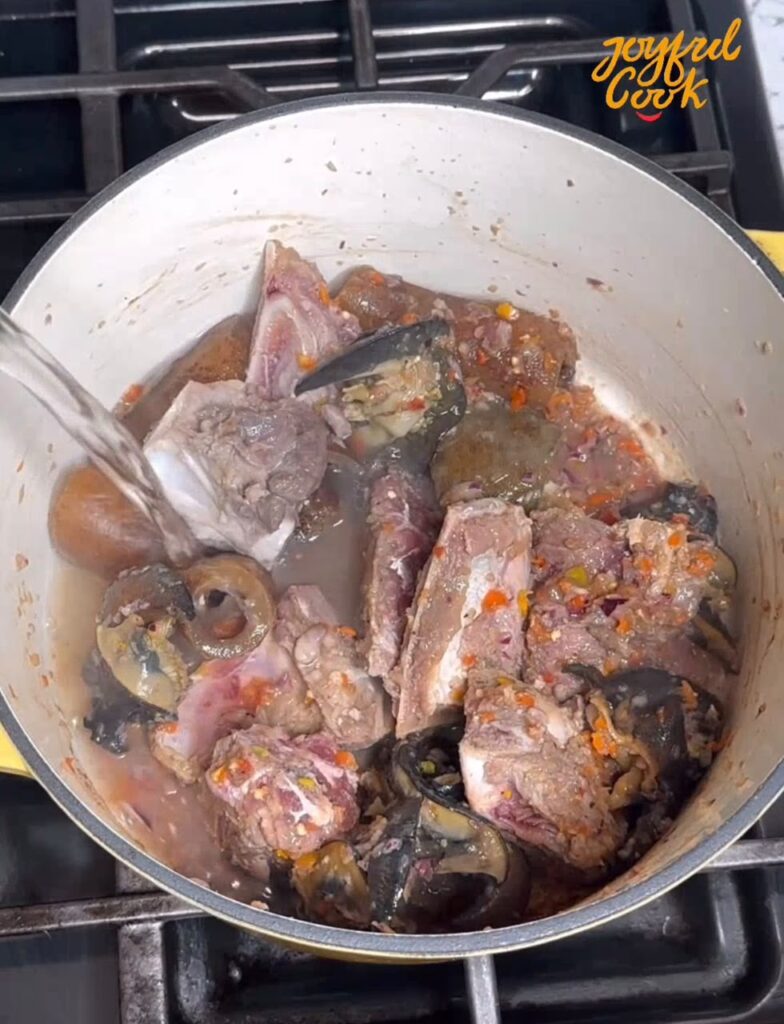
Clean and cut your meat and fish into manageable pieces.
If you’re using snails, make sure they’re properly cleaned before cooking.
Season the meat, snail, and other proteins with some chopped onion, pepper, seasoning, and salt.
3. Steam the Meat and Snail
Place the meat and snail in a large pot.
Cover and allow them to steam for about 15 minutes.
This initial steaming allows the proteins to absorb the seasoning and release some of their natural juices before you add water.
4. Add Water and Continue Cooking
After about 15 minutes, add enough water to continue cooking the proteins.
Cover and cook until the meat is tender.
Keep an eye on the snail because you don’t want it to become overly soft from prolonged cooking.
Once the snail is ready, remove it from the pot and set it aside.
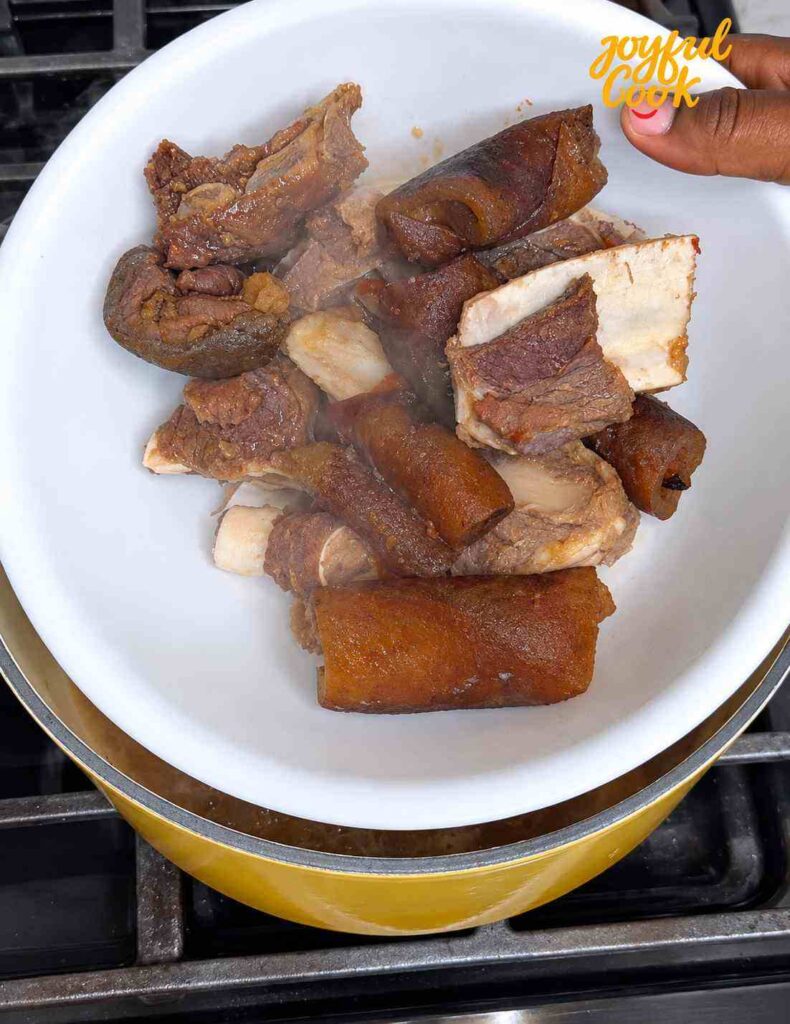
Continue cooking the remaining proteins until they are completely tender.
5. Reserve the Stock
Once the meat is cooked, remove it from the pot and strain the stock.
Set aside some of the stock because you’ll use it to build the soup.
Straining helps remove any small pieces or residue from the stock while keeping all that delicious flavor.
6. Start the Soup Base
Place a clean pot over medium heat and add the palm oil.
Allow the palm oil to warm and dissolve.
Don’t use an excessive amount — you want enough to flavor and enrich the soup without making it overly oily.
Add a little seasoning or salt.
7. Add the Fish
Add your cleaned fish to the palm oil.
Gently stir-fry the fish for about 30 seconds.
This quick step allows the fish to release some of its flavor into the palm oil.
Be gentle so the fish doesn’t break apart.
8. Add Pepper and Onion
Add some chopped onion and your pepper.
Adjust the amount of pepper according to your preferred level of heat.
If you love spicy Nigerian soups, you can be generous with the pepper. If you’re cooking for children or anyone who prefers mild food, reduce it.
9. Add Crayfish
Add the ground crayfish and stir everything together.
Allow the mixture to cook for about 2 minutes so the crayfish can release its flavor into the oil.
10. Add the Meat Stock
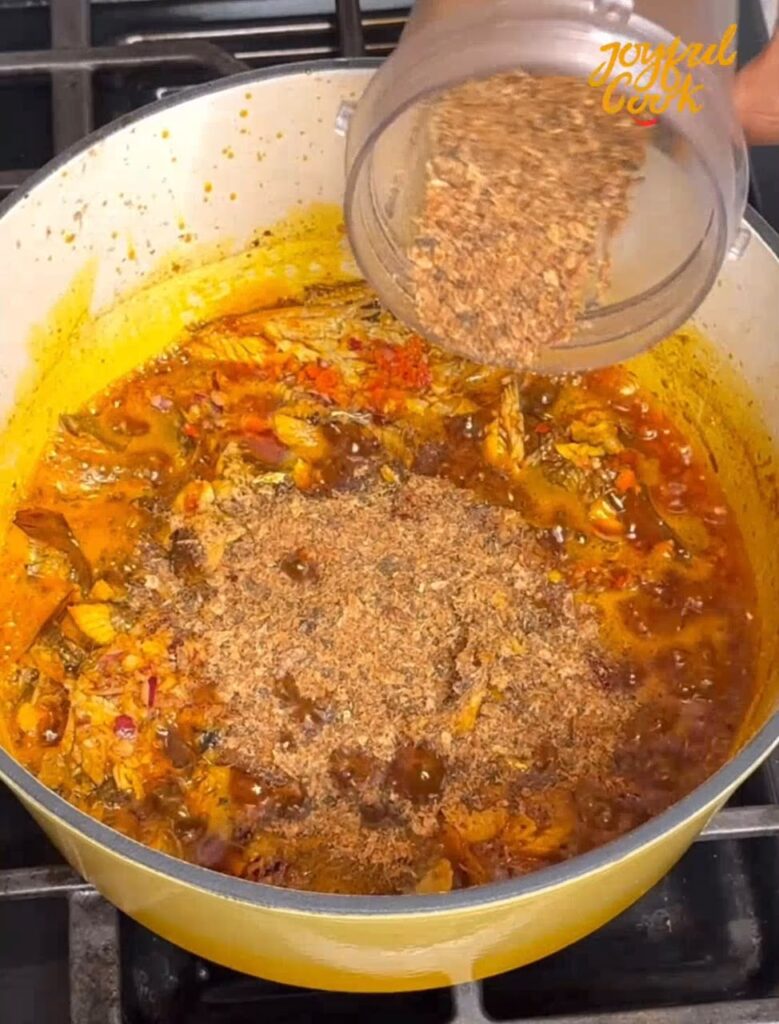
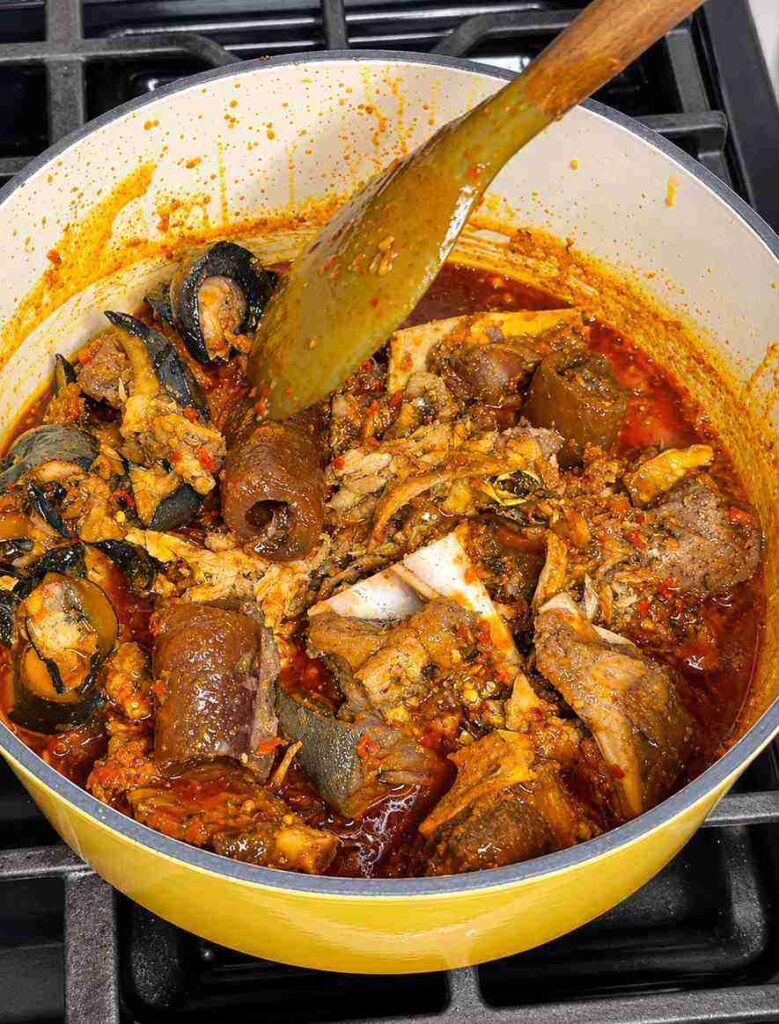
Pour in some of the reserved meat stock.
Remember, this soup doesn’t use a thickener, so don’t add too much liquid. Start with a small amount and add more later if necessary.
The goal is a flavorful soup with enough liquid to coat the vegetables and proteins without becoming watery.
11. Add the Uziza
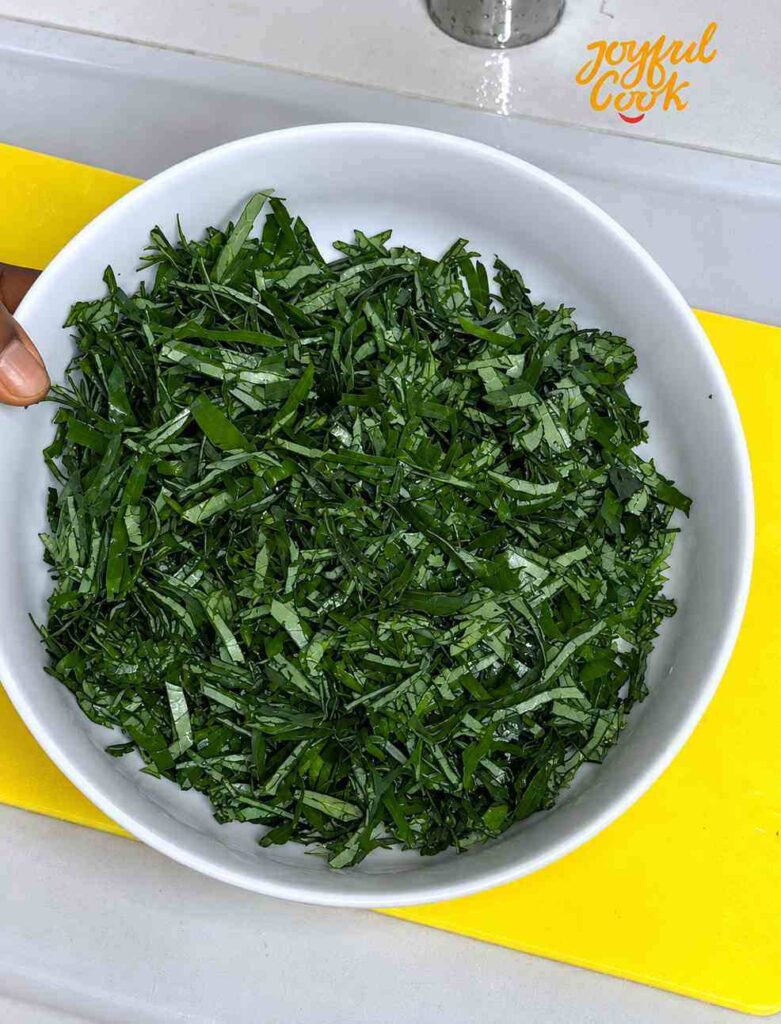
Add the sliced uziza leaves first.
Uziza is slightly more robust than ugu, so adding it first gives it enough time to cook down and infuse the soup with its characteristic peppery aroma.
Stir gently and allow it to cook for about 5 minutes.
12. Add the Periwinkle
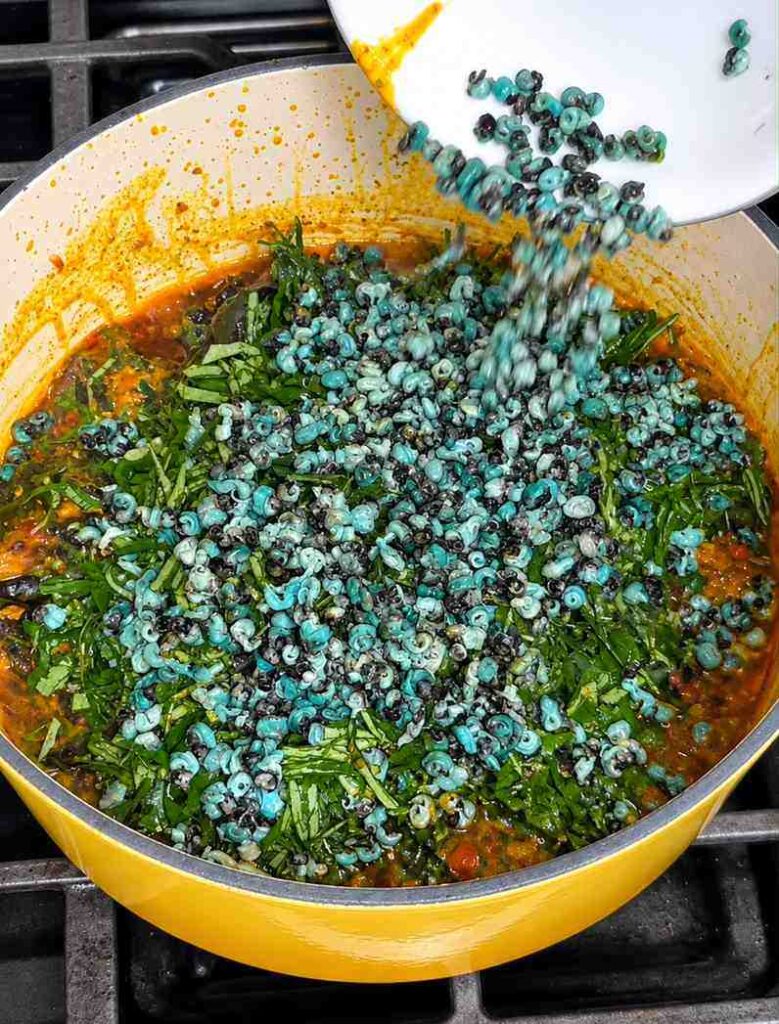
Add the cleaned periwinkle along with a little more ground crayfish if desired.
Stir gently and allow everything to cook together.
The aroma at this stage should be rich, savory, and incredibly inviting.
13. Add the Ugu
Now add the sliced ugu.
Cover the pot and allow the ugu to wilt for about 1–2 minutes.
Once wilted, gently stir it into the soup.
There’s no need to cook the ugu for an excessively long time. A short cooking time helps retain its fresh flavor and vibrant character.
14. Return the Proteins
Add the cooked meat, snail, and fish back into the pot.
Stir gently to distribute everything without breaking up the fish.
Taste the soup and adjust the salt or seasoning if necessary.
15. Finish the Soup
Allow everything to simmer together for another 1–2 minutes, then turn off the heat.
Your Ugu and Uziza Soup is ready!
Tips for the Best Ugu and Uziza Soup
Don’t Add Too Much Water
Since we’re not using a thickener, it’s important to control the amount of liquid.
Start with a small amount of stock and add more only if necessary.
Don’t Overcook the Snail
Snails can become unpleasantly tough or overly soft when cooked for too long. Remove them once they’re properly cooked and return them toward the end.
Add the Vegetables in Stages
Uziza goes in before ugu because it needs a little more cooking time.
The ugu only needs a short time to wilt and cook through.
Wash Your Vegetables Properly
Leafy vegetables can hold dirt and grit, so wash them thoroughly before slicing.
Adjust the Pepper
This soup is delicious with a noticeable kick, but you can make it as mild or spicy as you like.
Don’t Overcook the Ugu
Once the ugu has wilted and blended into the soup, there’s no need for a long cooking time.
What Proteins Can I Use?
One of the best things about this soup is how flexible it is.
You can use:
- Beef
- Goat meat
- Assorted meat
- Snail
- Fresh fish
- Stockfish
- Smoked fish
- Periwinkle
- Cow skin (ponmo)
You don’t have to use every protein listed. Choose the combination your family enjoys.
What Can I Serve With Ugu and Uziza Soup?
This soup is made for swallow!
Try serving it with:
- Pounded yam
- Eba
- Fufu
- Semovita
- Amala
- Oat swallow
- Plantain swallow
If you want another hearty Nigerian soup to try, try my Uziza Soup, which also combines uziza leaves with assorted proteins and traditional seasonings.
You can also try my Edo State Black Soup if you enjoy soups with plenty of leafy vegetables and bold traditional flavors.
How to Store Ugu and Uziza Soup
Allow leftover soup to cool before transferring it into a clean, airtight container.
Store it in the refrigerator and consume within 3–4 days.
For longer storage, portion the soup into freezer-safe containers and freeze.
When you’re ready to eat it, thaw safely and reheat thoroughly on the stovetop.
For additional food-storage guidance, I recommend using cooked meat and seafood leftovers within 3–4 days when properly refrigerated.
Frequently Asked Questions (FAQs)
What is Ugu and Uziza Soup?
Ugu and Uziza Soup is a Nigerian vegetable soup made with ugu, also known as fluted pumpkin leaves, and peppery uziza leaves. It is commonly prepared with assorted meat, fish, crayfish, and other proteins.
Can I make Ugu and Uziza Soup without meat?
Yes. You can make a lighter version using fish, seafood, or another protein of your choice. You can also prepare a vegetable-focused version without animal protein.
Can I use only ugu or only uziza?
Yes. Although using both gives the soup its distinctive combination of flavors, you can adjust the vegetables according to what is available.
Why do I add the uziza before the ugu?
Uziza leaves are a little more robust and benefit from slightly more cooking time. Adding them first allows their peppery flavor to infuse the soup before the more delicate ugu is added.
Does Ugu and Uziza Soup need a thickener?
No. This version doesn’t use a thickener. The amount of stock or water is kept moderate so the soup remains flavorful without becoming too watery.
Can I add periwinkle to this soup?
Yes. Periwinkle is a delicious addition and works especially well with the combination of fish, meat, crayfish, and leafy vegetables.
What swallow goes best with Ugu and Uziza Soup?
You can serve it with pounded yam, eba, fufu, semovita, amala, oat swallow, or plantain swallow. Choose whichever swallow you enjoy most.
How long does Ugu and Uziza Soup last in the refrigerator?
Store the soup in an airtight container in the refrigerator and use it within 3–4 days. For longer storage, portion it into freezer-safe containers and freeze.
Final Thoughts
There’s something so comforting about a big pot of Nigerian soup filled with fresh vegetables, flavorful proteins, and that unmistakable aroma of crayfish and pepper.
This Ugu and Uziza Soup is simple enough for an everyday family meal but flavorful enough to serve when you’re having guests over. And because you can switch up the proteins, it’s easy to make the recipe your own.
Now I want to know which swallow would you pair with this soup? Pounded yam, eba, fufu, semovita, oat swallow, or something else? Let me know in the comments!
If you’re in the mood for another vegetable-packed Nigerian soup, try my Edikang Ikong Soup next. And if you love the peppery flavor of uziza, try my Uziza Soup too.
Don’t forget to rate this recipe if you try it and share your version with me on instagram.
Happy cooking! ❤️









You May Also Like
Cucumber Salad
Edikang Ikong Soup
Shawarma
Best Fluffy Homemade Pancake
HI, I’M Joyful Cook
In the kitchen, I find joy in experimenting with flavors, crafting unique dishes, and sharing my love for food with others...
Connect with me
Recent Recipes