
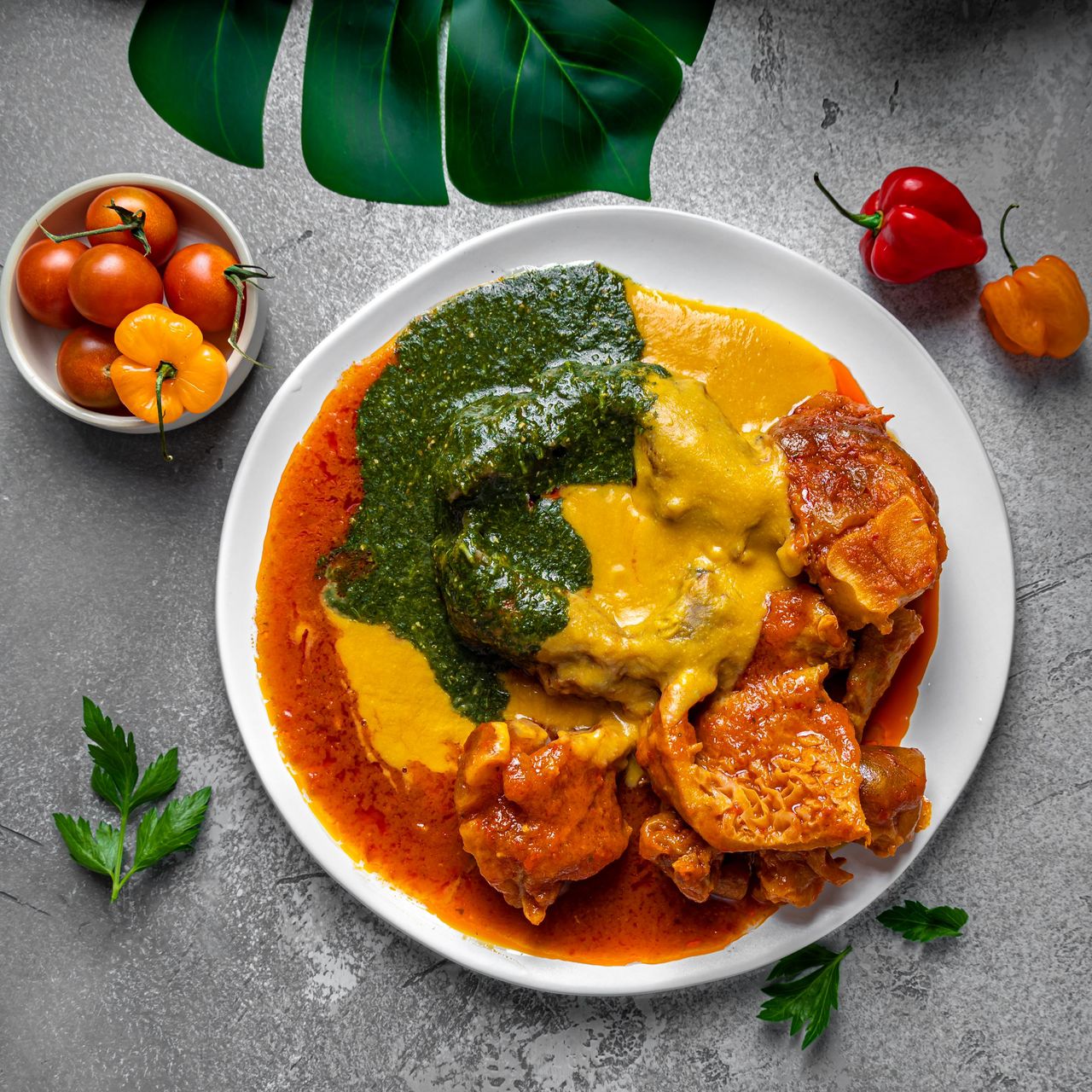
Buka-Style Abula (Gbegiri, Ewedu & Omi Obe)
Who says you have to go to a buka to enjoy a proper bowl of Abula? Not today! This dish is the holy trinity of Yoruba cuisine Amala + Gbegiri + Ewedu + Omi Obe and when you combine them, the flavor is insane.
If you’ve ever tasted Abula and thought:
“Hmm, I wish I could make this at home without stress…”
Well, congratulations today is your day.
In this recipe, we’re breaking everything down step-by-step:
- The smooth, buttery Gbegiri
- The slimy-but-delicious Ewedu
- The rich, peppery Omi Obe stew
- And of course, soft, stretchy Amala
By the time you finish, your kitchen will smell like Mama Bisi’s buka minus the long queue. So tie your apron, warm your wrist (for the amala stirring), and let’s make greatness! Learn more about Gbegiri Soup origins: Guardian Nigeria
Why You’ll Love This Abula Recipe
- Authentic buka taste without leaving your house
- Uses simple ingredients you already have
- Perfect for family gatherings or Sunday lunch
- Delicious, balanced, comforting — just heaven!
- Foolproof step-by-step method based on the video transcript
Ingredients For this Abula Recipe
For the Gbegiri (Beans Soup)
- 2 cups peeled beans
- Water (as needed)
- 1 tbsp crayfish
- Seasoning cube or powder (to taste)
- Salt (to taste)
- Dry pepper (optional)
- 2–3 tbsp palm oil
For the Ewedu
- 1 pack frozen ewedu OR fresh ewedu leaves
- Crayfish (optional)
- Salt (to taste)
- Seasoning cube (optional)
- Water (to loosen)
For the Omi Obe (Stew)
- Palm oil (2–3 tbsp)
- Vegetable oil (2 tbsp)
- 1 small onion (sliced)
- Pepper mix (tatase, tomato, onion, scotch bonnet)
- Chicken seasoning / onion seasoning
- Assorted meats (goat meat, shaki, ponmo, beef)
- Meat stock
- Smoked fish (e.g., panla)
- Fried mackerel (optional)
For the Amala
- Yam flour (Elubo) – Guide on Yam Flour (Elubo)
- Water
How to Make Abula Step-by-Step
STEP 1 — Make the Gbegiri
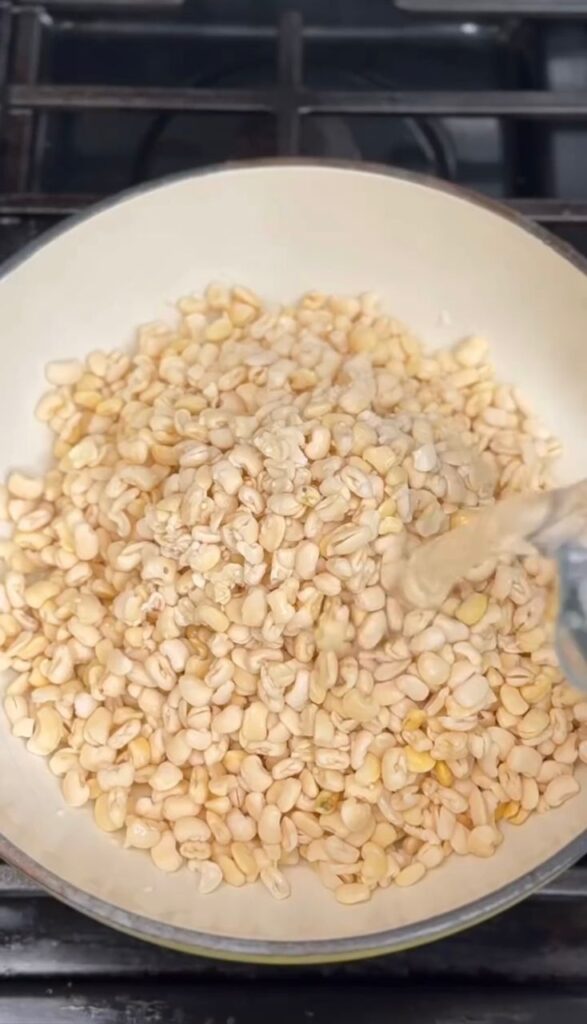
- Add peeled beans to a pot.
- Add enough water to cover and cook until very soft (about 25–30 mins).
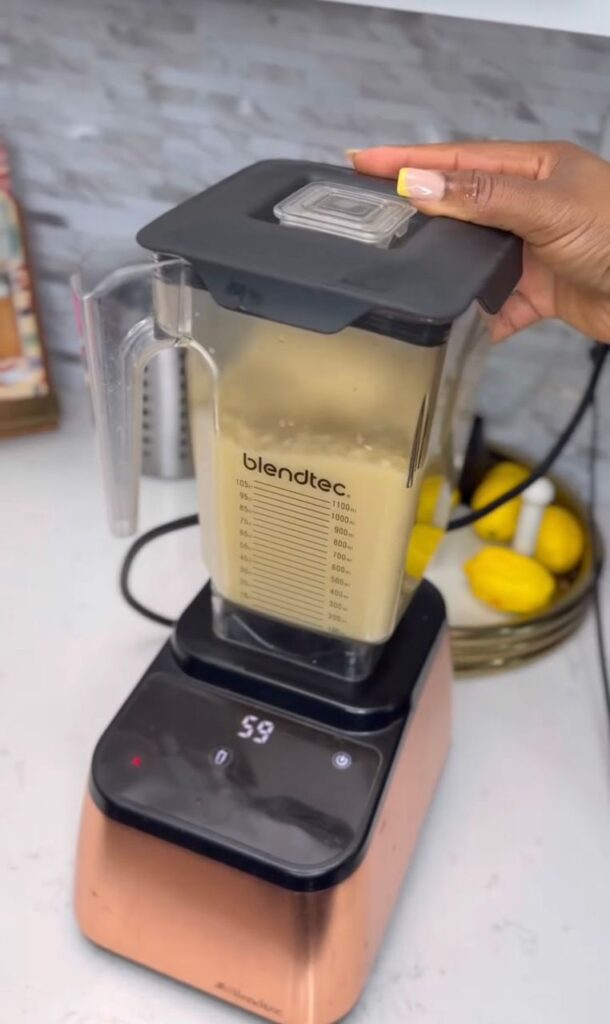
- Let it cool slightly, then blend until smooth.
- Pour back into the pot and loosen with water.
- Add seasoning, salt, dry pepper, and palm oil.
- Stir and cook on low heat for 7–10 minutes until the oil combines.
✔ Your Gbegiri is ready!
STEP 2 — Prepare the Ewedu
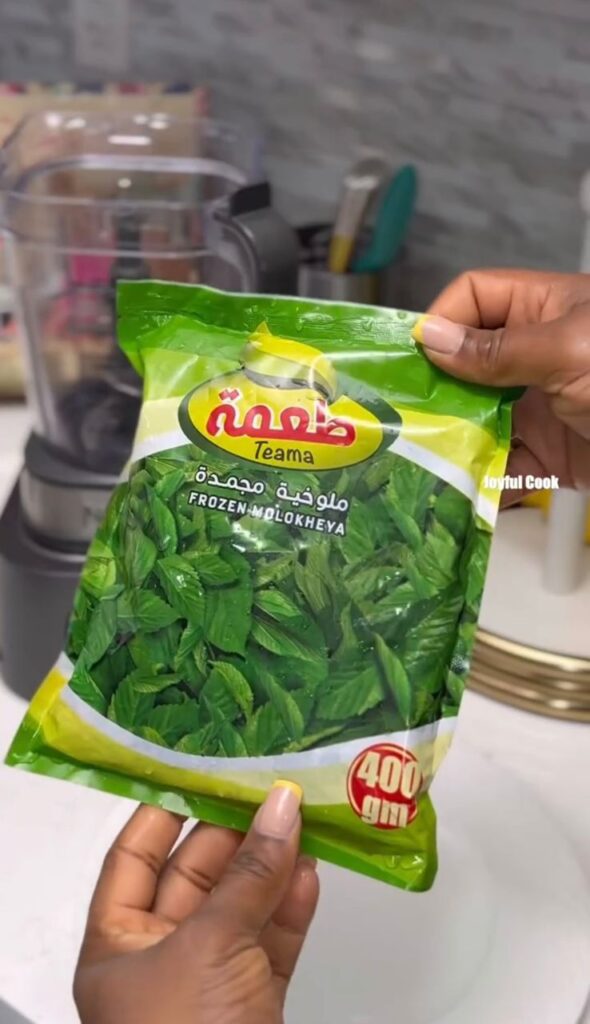
- If using fresh ewedu, pluck and rinse.
- Blend lightly or whisk (depending on texture preference).
- Add crayfish, seasoning, salt, and water to loosen.
- Simmer for a few minutes until slightly thick and slimy.
👉 You can add a tiny pinch of potash, but it’s optional.
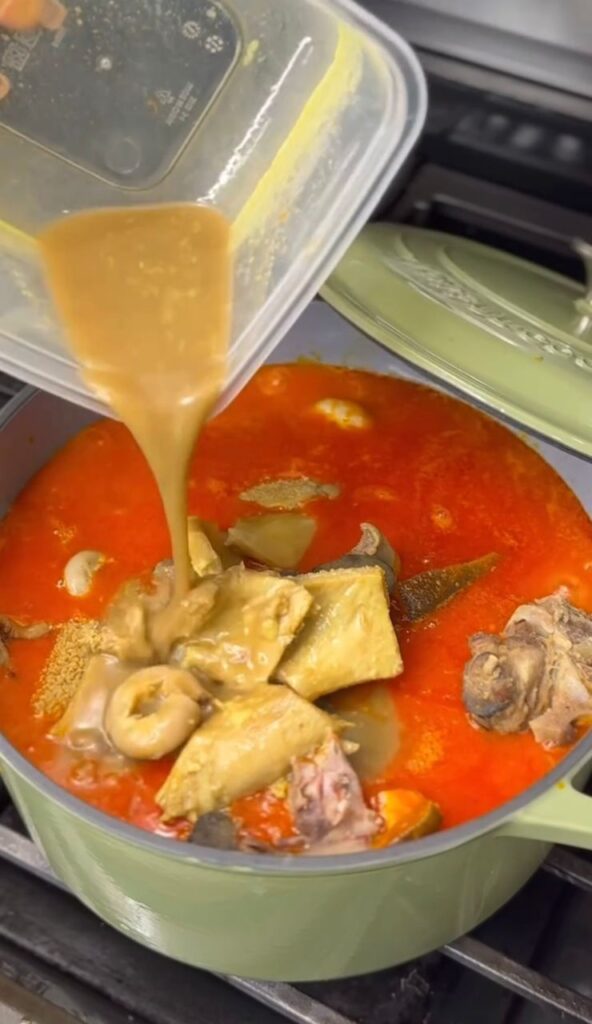
STEP 3 — Make the Omi Obe Stew
- Heat palm oil + vegetable oil.
- Fry onions until fragrant.
- Add pepper blend (tatase, tomato, onion, atarodo).
- Season with chicken/onion seasoning — no curry, no thyme.
- Add your half-cooked meats and meat stock.
- Simmer on low heat until oil floats to the top.
- Add smoked fish and fried mackerel.
- Cook for a few extra minutes.
This stew is rich, flavorful, and perfect for Abula.
STEP 4 — Make the Amala
- Bring water to a gentle boil.
- Reserve some hot water.
- Pour yam flour in while stirring continuously.
- Add reserved water, cover, and steam 7–10 minutes.
- Stir and stretch until smooth and soft.
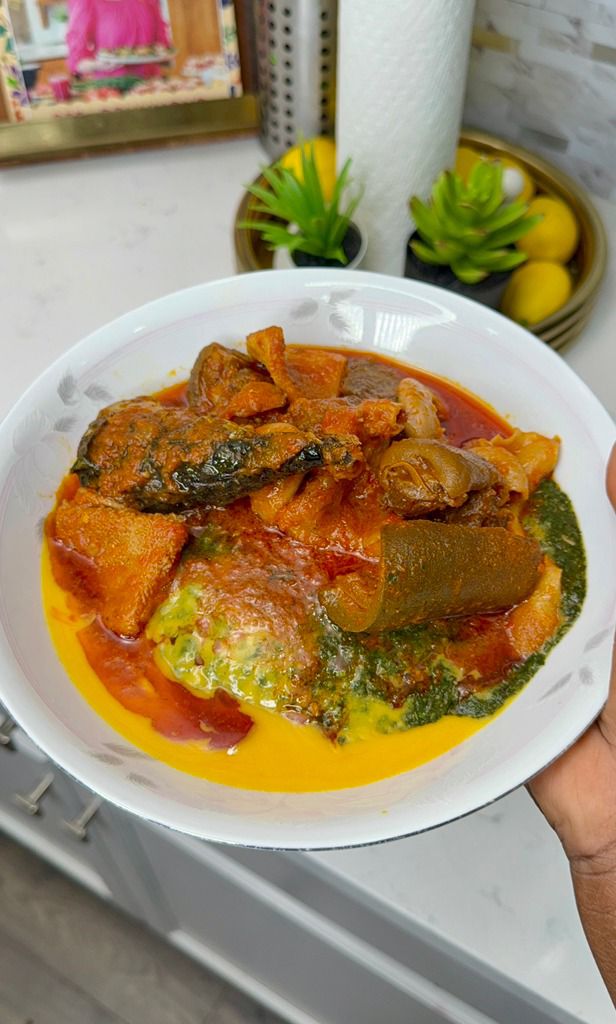
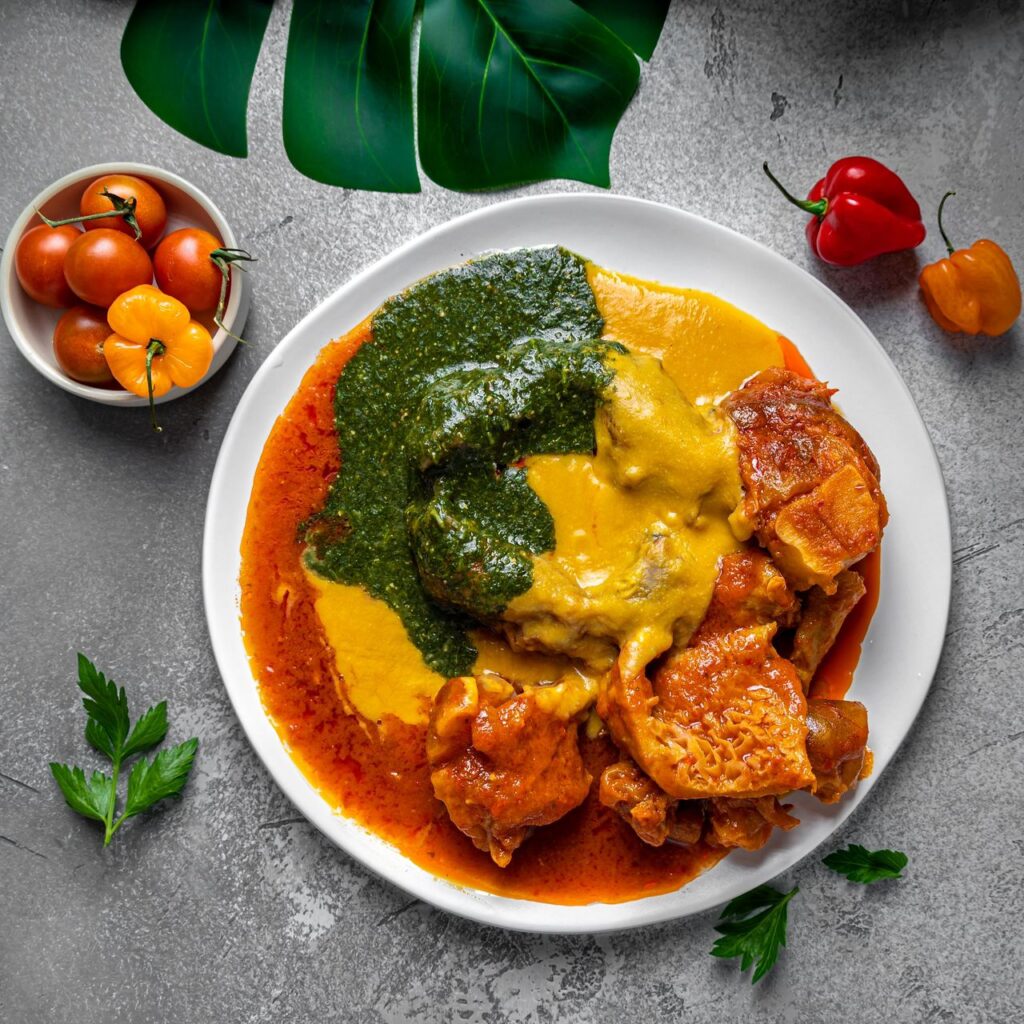
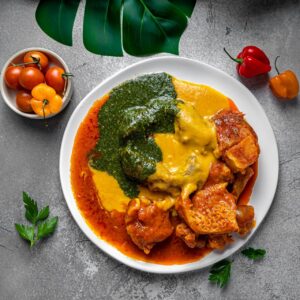
STEP 5 — Assemble Your Abula
Plate in this order:
- Amala
- Gbegiri
- Ewedu
- Omi Obe
Take a spoonful, close your eyes, and say “God is good.”
Looking for something refreshing after your Abula feast? My Sesame Cucumber Salad is perfect.
Pro Tips for Perfect Abula
- Don’t overboil water for amala, it affects the texture.
- Gbegiri thickens as it cools; adjust with water.
- Use smoked fish for that authentic buka flavor.
- Low heat is key – everything should simmer, not fry.
Want another Nigerian classic? Try my Puff Puff — soft, fluffy, and beginner-friendly!
Serving Suggestions
Pair with:
- Ice-cold Zobo
- Steamed vegetables on the side
- Plantains (because why not?)
Storage Tips
- Gbegiri: 3–4 days in the fridge
- Ewedu: best eaten fresh, but lasts 2 days
- Stew: up to 5 days
- Amala: best fresh; refrigerate and reheat by steaming
Frequently Asked Questions (FAQs)
Can I use black-eyed beans for Gbegiri?
Yes, as long as the beans are peeled. Peeled beans give Gbegiri that smooth, silky texture.
Is potash necessary for Ewedu?
No, it’s optional. Potash only speeds up the slimy texture, but your Ewedu will still turn out great without it.
Can I skip smoked fish in the Omi Obe?
You can, but smoked fish adds that deep, authentic buka-style flavor that makes Abula special.
Can I blend the entire pepper mix together?
Yes! Tomatoes, tatase, onions, and scotch bonnet blend perfectly into a smooth stew base.
How thick should my Gbegiri be?
Gbegiri should be slightly thick but not stiff. It also thickens as it cools, so adjust with water if needed.
Final Thoughts
Abula is one of those meals that just warms your spirit comforting, rich, and deeply nostalgic. The combination of flavors is unmatched, and once you try this homemade version, you’ll understand why Yoruba people guard this recipe like treasure. Make it this weekend and watch your family fall in love!
Need something hearty and creative? Check out my Pineapple Fried Rice Served in a Pineapple Bowl super fun and delicious!







You May Also Like
Plantain Egg Bake
Cucumber Salad
Easy Homemade Butter
Easy Chicken Curry Sauce (Perfect for Rice!)
HI, I’M Joyful Cook
In the kitchen, I find joy in experimenting with flavors, crafting unique dishes, and sharing my love for food with others...
Connect with me
Recent Recipes